
LED CFL
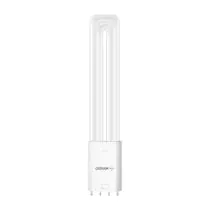
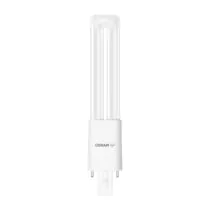
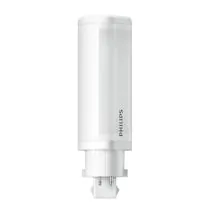
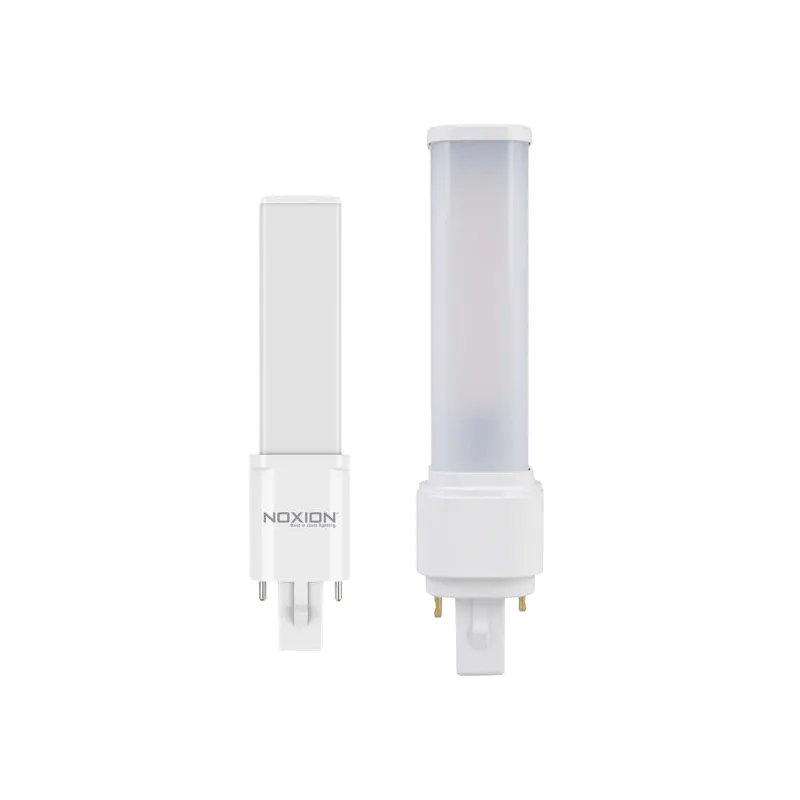
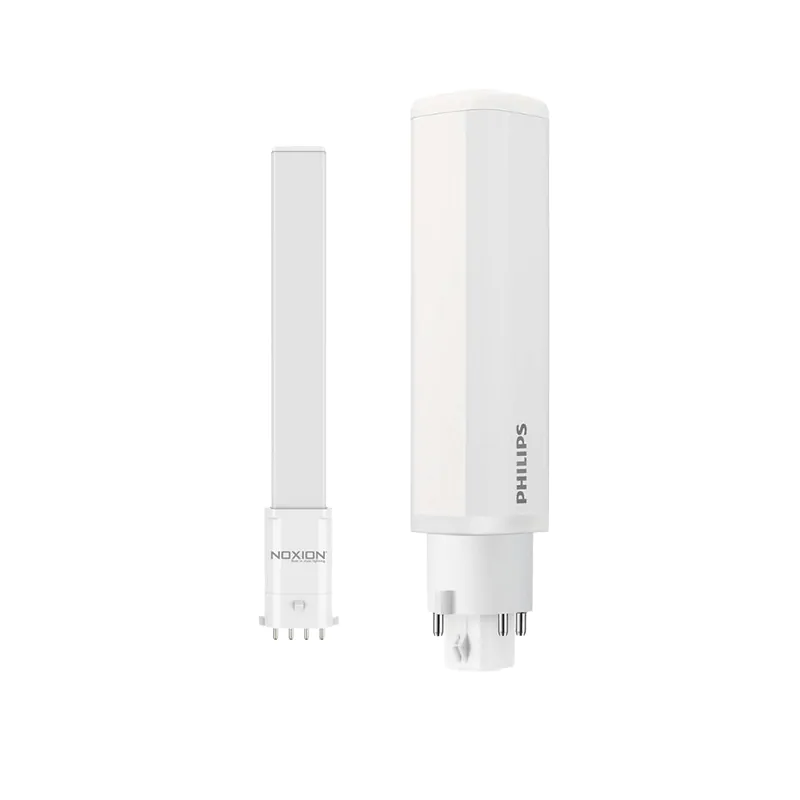
LED CFL bulbs are even more energy-efficient than conventional PL, Dulux and Lynx 'energy-saving' bulbs. Not only do they use up to 60% less energy, they last a lot longer too! LED CFL bulbs are designed as direct replacements for older energy-saving bulbs. Make sure to check whether your current bulb has 2 pins or 4 pins when choosing your new LED CFL bulb though. Also, check things like the number of lumens and the colour code if you want your new bulb to have similar specifications to your old one.
Show more
Filter inCategory
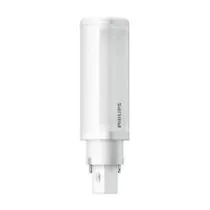
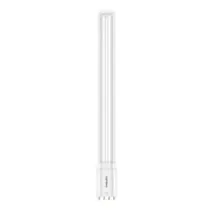
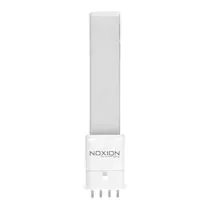
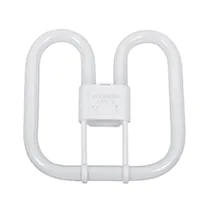
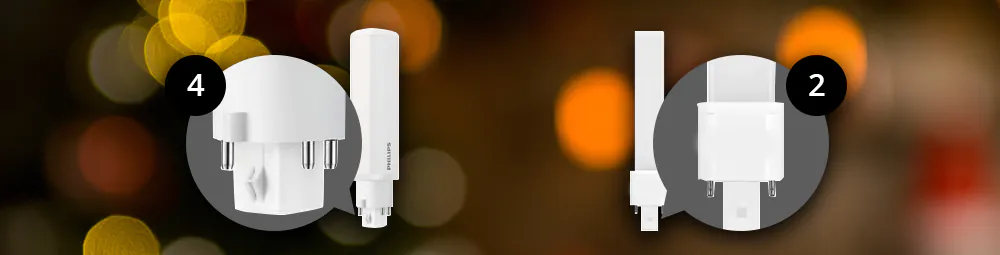 With (LED) energy-saving light bulbs there are fittings/lamp bases with 2 pins or 4 pins. Always choose a energy-saving bulb with the same cap/base, otherwise it will not fit in the fixture and will not work. Energy-saving bulbs with a 2-pin base work with a conventional ballast (EM) incl. starter. Energy-saving bulbs with a 4-pin socket work with an electronic ballast (HF) without a starter.
 The colour code is a combination of colour rendering (CRI) and light colour (Kelvin). The first number indicates the colour rendering (1 = very poor colour rendering, 9 = maximum colour fastness). The second and third number contains the light colour. Example: the colour code 830 consists of good colour rendering (8) and warm white light (3000K).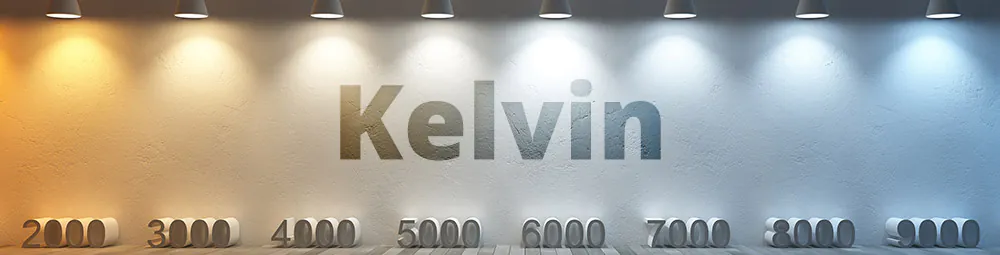
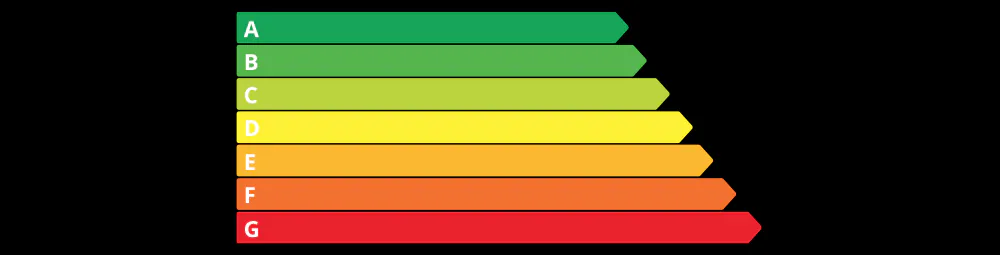 Every bulb or fixture has an energy efficiency class A to G. Energy label A is the most efficient and G the least. LED lighting is the most sustainable lighting technique. Even if a LED bulb is rated E or lower, they still save 70% of energy compared to conventional lighting with the same energy label. Why is it the same label then? To motivate LED brands to get even more durable.
Too much choice?
Help me choose!
217-240 out of 256
results found
Filter
Sort by


LED CFL bulbs are even more energy-efficient than conventional PL, Dulux and Lynx 'energy-saving' bulbs. Not only do they use up to 60% less energy, they last a lot longer too! LED CFL bulbs are designed as direct replacements for older energy-saving bulbs. Make sure to check whether your current bulb has 2 pins or 4 pins when choosing your new LED CFL bulb though. Also, check things like the number of lumens and the colour code if you want your new bulb to have similar specifications to your old one.
Show more
Compare Products
(/)
You can have up to 5 products in the comparison list.